

Following up on our previous report, the massive student-led movement against national exam corruption has achieved historic breakthroughs.
THE PROTEST RESULTS AT A GLANCE
- Core Political Win – Union Education Minister Dharmendra Pradhan resigned
- Sonam Wangchuk Ended his 26-day fast following written guarantees
- Government Actions – Passed strict anti-leak bill; reviewing student cases
- Tamil Nadu Stance – Refuses minor fixes; demands complete abolition of NEET
The Big Wins: Resignation and Written Guarantees
Bowing to immense pressure from the youth-led Cockroach Janta Party (CJP) and mass public outrage following the “Chalo Sansad” march, Union Education Minister Dharmendra Pradhan officially resigned from his post. This marked an unprecedented political capitulation to an independent, student-driven movement.
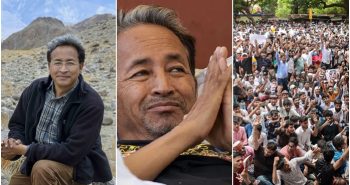
Following this historic political breakthrough, and after losing 11 kilograms under hospital observation, Sonam Wangchuk officially concluded his 26-day hunger strike. He broke his fast at the hospital only after receiving strict written guarantees from union ministers. Crucially, the pact ensures that peaceful student protesters will not face retaliatory police violence or permanent criminal records.
Current Status: Is the Government Keeping Its Promises?
The primary Jantar Mantar camp in New Delhi has paused active demonstrations as the central government moves to execute the terms of the breakthrough agreement through official channels:
- Strict Anti-Leak Laws: Parliament has swiftly debated and passed a rigorous new public examination anti-leak bill implementing severe punishments and heavy criminal fines for fraud.
- Dropping Police Cases: Local authorities and judicial bodies have launched a formal review to withdraw all outstanding police cases filed against non-violent student protesters during the height of the July demonstrations.
- Administrative Overhaul: The education ministry has seen a major structural shake-up, introducing top-tier bureaucratic reshuffles, appointing a new Higher Education Secretary, and outlining plans for fast-track courts to prosecute exam syndicates.
Tamil Nadu’s Unyielding Stance: “Abolish NEET Entirely”
While the primary Jantar Mantar protests have paused, resistance in Tamil Nadu has intensified, driven by grassroots student organizations who argue that recent central government reforms are insufficient. The movement, led by groups like the Tamil Nadu Student Youth Federation, insists on completely abandoning the central exam in favor of state-controlled admissions.
- Systemic Hurdles & High Costs: Beyond exam stress, activists highlight significant logistical challenges:
- Erratic Center Allotments: The National Testing Agency (NTA) frequently assigns test centers hundreds of kilometers away or in other states, placing immense financial and logistical strain on rural, low-income families.
- Counseling & Allocation Issues: Complex, centralized counseling often causes high-scoring state-board students to lose out on local seats due to technological barriers, opaque, rapid changes in rules, and lack of specialized, urban guidance.
- A Personal Crisis: Local activists emphasize that the fight is personal, noting that at least 26 aspiring doctors have tragically died by suicide due to, among other factors, the immense pressures associated with the exam since 2017.
- The Demand for Sovereignty: Demonstrations in areas like Chennai, led by groups such as AISF, demand a total repeal of NEET to reclaim state educational autonomy, allowing admissions to be based on Class 12 board marks rather than a centralized, “flawed” system.
Though regional political parties have a long history of passing official assembly resolutions and bills to ban NEET, ground realities show that the current fight is actively driven by a tireless network of independent student organizations and social activists who refuse to let the momentum fade.
A Final Salute to India’s Brave Youth
The ultimate victory of this movement belongs entirely to the independent students who refused to back down when their futures were at stake. As mainstream media networks maintained a calculated silence and the state initially responded with raw police power, the sheer resilience of Gen Z and independent youth groups successfully forced structural changes.
We extend our deep gratitude and heartiest congratulations to Sonam Wangchuk for staying completely unwavering and true to his selfless vision, from the very first hour at Jantar Mantar until the successful close of this grueling standoff.
As the nation watches to see if the written promises translate into long-term policy reform, the courage of India’s youth and the Cockroach Janta Party (CJP) has permanently rewritten the rules of civic engagement. We salute these brave young visionaries for their discipline, wishing them continued strength and vigilance as they remain the ultimate watchdogs over the future of Indian education. Moving forward, we collectively hope that this monumental national momentum paves the way for absolute justice regarding the NEET issue on both national and state level very soon.




No comment yet, add your voice below!